


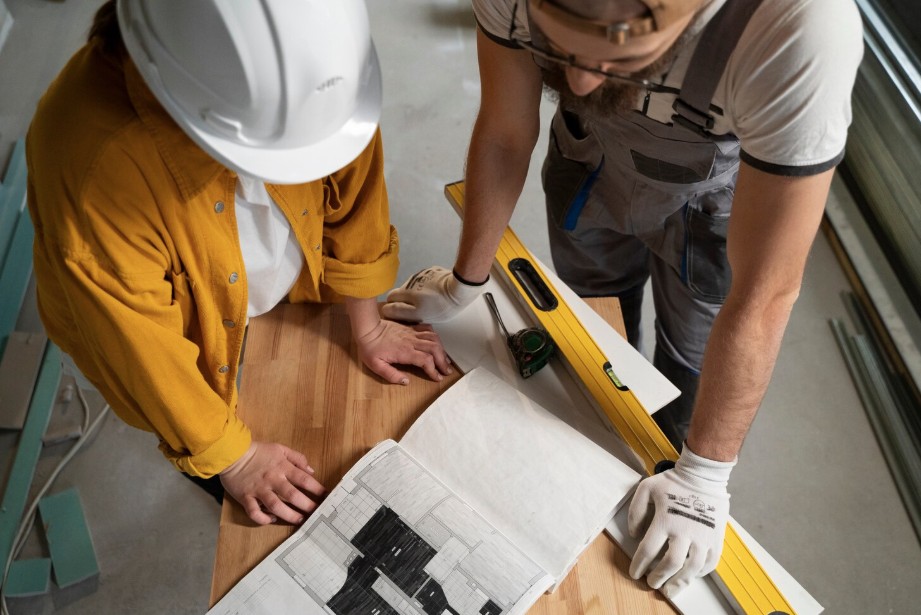
Buying a property to renovate can be a great opportunity. Many people find homes in good locations at a more affordable price than a move-in-ready property, and they are willing to take on the renovation work in order to enjoy the home of their dreams.
But before making any final decisions and starting to calculate costs, it is important to analyse a few aspects, because there is a lot at stake and everything needs to go as expected.
A full renovation can completely transform an old flat or a run-down house. The problem arises when certain important details are not checked before the purchase. Aspects such as the structure, the condition of the installations or the layout of the property can have a major impact on both the cost and the comfort of the home.
That is why it is always advisable to study the real condition of the property and assess which renovations will be a priority in order to know whether buying the property is truly worthwhile or whether the final cost, including the renovation, will end up being too high.
What to prioritise when renovating a house
Once the property has been purchased, it is time to plan the renovation. At this stage, it is important to set priorities in order to invest the budget intelligently.
The first step is usually to act on the essential elements. The electrical and plumbing installations must guarantee safety and functionality. Although some aesthetic improvements may be more eye-catching, the priority is to ensure that the property works properly and complies with current regulations.
Insulation is another aspect that should be prioritised. Improving windows, enclosures and climate control systems can reduce energy consumption and increase everyday comfort. More and more people are looking for efficient homes, so this type of renovation also increases the value of the property.
The interior layout is one of the changes that can transform a home the most. Many current renovations focus on open spaces, integrated kitchens and a better connection between shared areas. However, before knocking down partitions, it is essential to check which walls are load-bearing and which can be modified without any problem.
Bathrooms and kitchens usually account for a significant part of the budget. These are the rooms that suffer the most wear and tear and have the greatest influence on the overall perception of the home. Choosing resistant materials and functional solutions can make a big difference in the long term.
Lighting also plays a key role in any renovation. Making the most of natural light and properly planning artificial lighting points helps create more pleasant and modern spaces. Many older properties have dark rooms that can be greatly improved with small changes.
In some homes, it may also be worth improving storage. Built-in wardrobes, bespoke solutions or multifunctional furniture help make better use of the available space, especially in smaller properties.
Another important point is to maintain a balance between design and budget. Sometimes too many resources are allocated to decorative finishes while more important aspects are left aside. The ideal approach is to look for durable materials and practical solutions that offer a good result without pushing up the total cost of the work.
In addition, it should not be forgotten that time planning is also essential. A renovation can take longer than expected if there is no good coordination between professionals and suppliers. That is why working with a specialised renovation company such as Renov-art is the best option.
What should you look at before buying a property that needs renovation?
Imagine you have found a house that needs renovating, and everything seems to fit at first. You do the sums and see that the purchase and renovation project is feasible.
One of the first things you should check is the structure of the property. Although the superficial appearance can often be improved easily, structural problems usually involve complex and very costly work.
It is one thing for a house to be old and in need of renovation, and another for its living conditions to be compromised. If you see significant cracks, persistent damp or uneven floors and ceilings, be alert because these may be clear signs that you should rule out that property.
It is also important to check the condition of the electrical and plumbing installations. In older homes, it is common to find outdated systems that need a complete renovation in order to comply with current regulations. And if you are going to renovate, you would first need to deal with this before thinking about choosing one type of tiling or another.
Another key aspect is the layout of the property. Some older houses have many small divisions and spaces that are not very functional. Before buying, it is worth considering whether the layout can be easily adapted to the needs you want to cover, or whether there will be structural limitations that make changes difficult.
The orientation and the amount of natural light also carry a lot of weight. A bright home is usually more comfortable and attractive after renovation. In addition, good ventilation helps prevent damp problems and improves energy efficiency.
The exterior carpentry deserves a detailed review. Old windows or closures in poor condition can cause energy loss and increase heating and cooling costs. In many cases, they will need to be replaced in order to improve thermal and acoustic insulation.
In addition to the interior condition, it is worth analysing the communal areas of the building if it is a flat. Deteriorated façades, old roofs or lifts pending renovation can lead to significant shared expenses in the future. Before buying, it is advisable to check whether the building community has any planned works or outstanding debts.
Location also has a major influence on the final value of the investment. A property to renovate located in a good area can increase significantly in value after the work is completed. That is why, in addition to the condition of the property, it is worth studying nearby services, transport connections and the development of the surrounding area.
Another important detail is to review the property documentation. You need to check that everything is in order, including actual square metres, charges, certificates and possible urban planning restrictions. For some renovations, it may be necessary to apply for specific licences or permits, especially if structural elements are modified.
Having specialised professionals before the purchase can make all the difference. An architect or renovation company can detect problems that go unnoticed during a normal visit. In addition, having an approximate estimate of the renovation cost helps you make a much more realistic decision.