


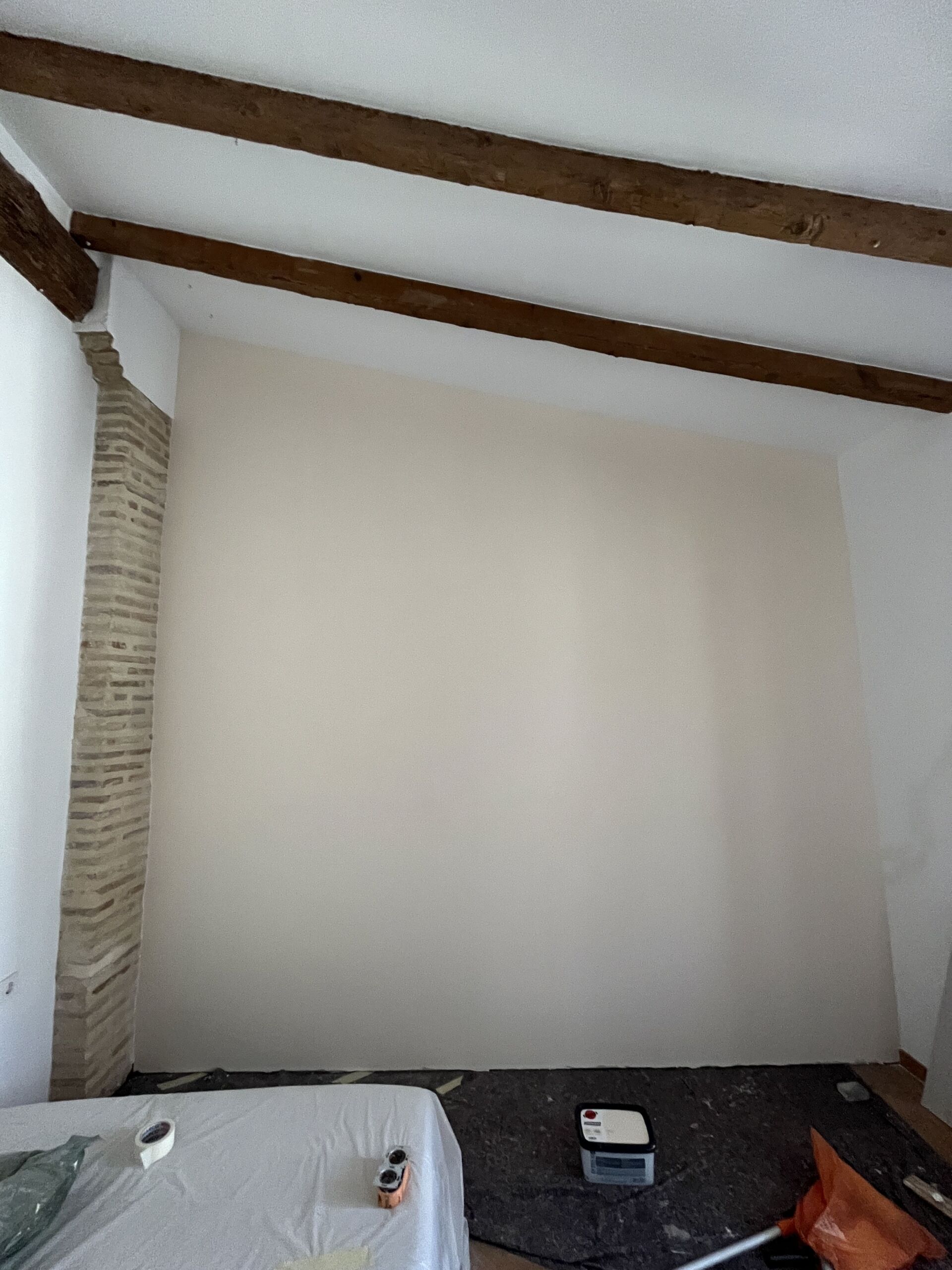
Plasterboard has become one of the most widely used materials in renovations and new-build projects. Its versatility, quick installation and good insulation make it perfect for all types of homes.
However, it is not the best option in every case. That is why it is worth understanding what types of plasterboard exist, what properties this material offers and in which situations it is worth installing it.
Types of plasterboard for homes
This material, also known as laminated gypsum board, is made from a combination of elements. There are several types of plasterboard designed to meet different needs within a home. Choosing the right one is important to ensure durability and good performance.
One of the most common is standard plasterboard. It is used in dry areas such as living rooms, bedrooms or hallways. It is an affordable option and sufficient for most interior partitions.
There is also moisture-resistant plasterboard. This type is prepared to withstand humidity, which makes it recommendable for bathrooms, kitchens or laundry rooms. Although it is not completely waterproof, it does reduce water absorption and helps prevent problems such as deformation or mould.
Another type is fire-resistant plasterboard. It is designed to offer greater resistance to fire. It is usually installed in areas where additional protection is required, such as near kitchens, fireplaces or electrical installations.
Acoustic plasterboard is another interesting variant. It includes improvements to reduce noise transmission. It is useful in homes where greater sound comfort is sought, especially on party walls or ceilings.
Lastly, there are high-impact boards. These are used in areas with more traffic or where greater resistance to knocks is needed, such as hallways or communal areas.
Each type of plasterboard fulfils a specific function. In many cases, the same home combines several types depending on the needs of each room. If you would like more information about Renov-art’s plasterboard service, you have all the information available to discover how you can benefit from this material in your next renovation project.
Properties of plasterboard in a home
Plasterboard stands out for a series of properties that make it very interesting in residential projects. One of the most valued is its insulation capacity.
In terms of thermal insulation, plasterboard on its own performs correctly, but it improves greatly when combined with insulating materials such as mineral wool or polystyrene inside it. This combination helps maintain the indoor temperature and reduces energy consumption.
In acoustic terms, it also offers good results. A well-installed plasterboard system can significantly reduce noise between rooms or from outside, which is especially useful in flats or terraced houses.
Another important property is its lightness. Unlike traditional brick partitions, plasterboard weighs less. This makes installation easier and reduces the load on the building’s structure.
Fast execution is another advantage. Works carried out with plasterboard are usually cleaner and quicker. They do not require long drying times, which allows renovation projects to progress more efficiently.
In addition, plasterboard offers great design versatility. It makes it easy to create false ceilings, shelving, niches or decorative elements. It also facilitates the passage of electrical or plumbing installations through its interior.
In terms of finish, it provides smooth surfaces that are ready to be painted or covered. This improves the final aesthetic result of the home.
However, it also has some limitations. Its impact resistance is lower than that of a traditional masonry partition, except in reinforced versions. That is why, in certain areas, its use should be carefully assessed.
When is it worth installing plasterboard?
Plasterboard is a highly recommended solution in many situations, but it is not always the ideal option. Knowing when to use it is key to making the most of its advantages.
It is especially useful in full renovation projects. It allows spaces to be redistributed quickly and without generating too much rubble, which reduces the duration of the work and the inconvenience caused.
It is also advisable to install plasterboard when the aim is to improve insulation. By creating wall linings or false ceilings with insulating material, the thermal and acoustic comfort of the home can be increased.
Another situation where it stands out is in the creation of false ceilings. These make it possible to conceal installations, improve lighting or incorporate additional insulation. They also help reduce the height of spaces if a more welcoming atmosphere is desired.
Plasterboard is also a good option for dividing rooms. It allows new rooms to be created or areas within the same home to be separated without the need for heavy construction work.
However, it is not always the best choice. In areas with constant high humidity or a frequent risk of impacts, it may be preferable to choose other materials or use specific, more resistant versions.
Nor is it the most suitable option when walls need to support very heavy loads, such as large pieces of furniture, unless the structure is properly reinforced.
Therefore, if you are looking for speed, versatility and good insulation, plasterboard is the best option. But it is important to rely on professionals who can assess each case and use the right type in each part of the home.
With the right choice and installation, plasterboard can significantly improve the comfort and functionality of any home.