


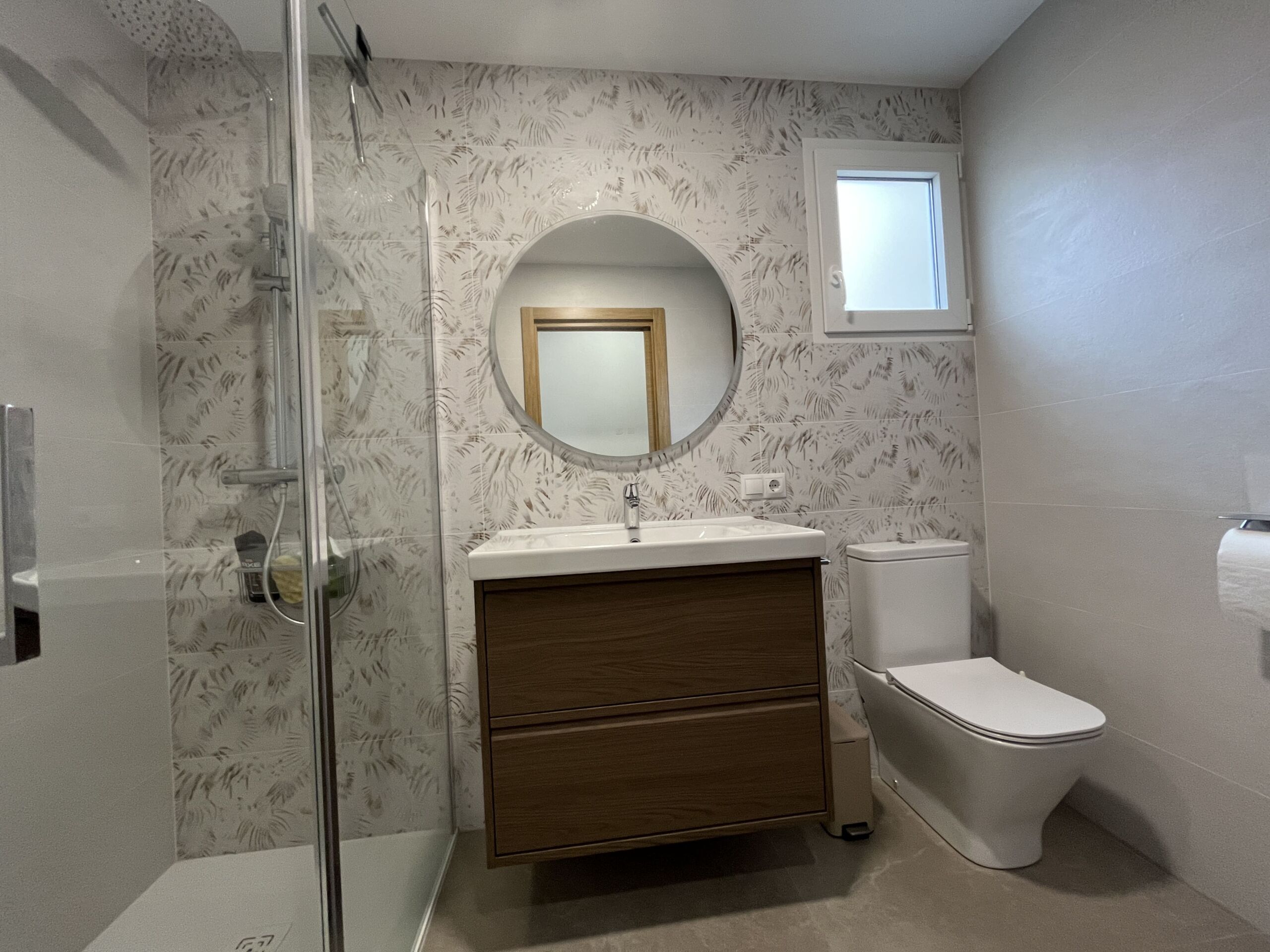
Selling or letting a property in good condition can make a significant difference, both to the time required to find a buyer or tenant and to the final price achieved. A well-maintained property creates a better impression, inspires greater confidence and is far more attractive than other options on the market.
A full renovation is not always necessary to increase a property’s value. In many cases, a series of strategic improvements can modernise the home, improve its efficiency and make it much more functional. The key is investing in changes that genuinely add value and have the greatest impact on how visitors perceive the property.
What Should Be Renovated First to Increase a Property’s Value?
Before beginning any renovation, it is worth assessing the overall condition of the property and prioritising the work that offers the highest return on investment. Not every improvement has the same effect on a property’s value, so it is important to make carefully considered decisions.
The kitchen is often one of the first areas to be renovated. It is one of the rooms most highly valued by buyers, as it directly affects everyday comfort. It is not always necessary to replace all the units or carry out a complete renovation. Sometimes, simply replacing the worktop, updating the finishes, improving the lighting or installing more efficient appliances is enough to achieve a much more contemporary appearance.
The bathroom is also high on the list of renovations that can help increase a property’s value. Replacing old sanitary fittings, swapping the bathtub for a shower tray or updating the wall and floor finishes creates a cleaner, more modern and comfortable impression.
Painting is another investment that offers an excellent balance between cost and results. Painting the walls in light colours makes the property brighter, helps rooms appear more spacious and allows potential buyers or tenants to imagine the home adapted to their own style. Neutral shades are usually the most advisable choice when the aim is to sell or let a property.
Flooring also has a major influence on first impressions. If the existing floor is damaged or very dated, replacing it can completely transform the appearance of the property. Continuous, durable and easy-to-maintain materials help create more contemporary and inviting interiors.
Doors, windows and fitted woodwork also deserve attention. Replacing worn doors, updating wardrobes or installing new windows improves both the appearance of the property and its thermal and acoustic insulation. In addition to increasing comfort, these improvements can help reduce energy consumption—an increasingly important consideration for buyers.
Finally, a well-designed layout can completely transform a property. If it contains underused areas, excessively long corridors or rooms that are too small, redistributing some of the spaces can increase both spaciousness and functionality without adding any extra floor area.
If you are considering giving your home a fresh new look before selling or letting it, get in touch with us. As a Renov-Art renovation company, we can advise you on how to make the most of your new project and create modern, comfortable and light-filled spaces.
How Much Value Does Renovation Add to a Home?
One of the most common questions among property owners is how much value renovation adds to a home before it is put up for sale or offered for rent. The answer depends on numerous factors, including the location, the property’s original condition, the quality of the renovation and the state of the property market.
In general terms, a renovated property tends to be much more competitive than a similar property requiring work. This can increase interest among potential buyers, reduce the time it remains on the market and even make it possible to negotiate a higher price.
When considering how much value renovation adds to a flat, it is also important to take into account the type of work carried out. A complete renovation covering the installations, layout, kitchen, bathrooms and finishes will usually deliver a greater increase in value than smaller cosmetic improvements, although it will also require a larger investment.
Energy-efficiency improvements are becoming increasingly important. Replacing windows, improving insulation or installing more efficient heating and cooling systems not only increases the property’s comfort but also reduces energy costs—an especially valuable benefit in today’s market.
Another factor with a direct influence is the quality of the workmanship. A renovation completed using high-quality materials and carefully executed finishes creates a greater sense of value, whereas poor workmanship or improvised solutions can have the opposite effect.
In addition to increasing the property’s financial value, renovation offers other important advantages. An updated property usually attracts more viewings, generates greater interest among buyers and reduces negotiations concerning future repairs. This makes it easier to complete the transaction more quickly and on better terms for the owner.
If the aim is to let the property, renovations can also be highly profitable. A modern, functional and efficient home tends to attract more stable tenants and is better placed to compete in the rental market.
Before starting any project, it is worth assessing the available budget and prioritising the work that genuinely adds value. Renovating the entire property is not always necessary to achieve a good result. In many cases, a carefully planned partial renovation can have a highly positive impact on both the property’s appearance and its final price.